How to Diagnose Common RV Water Pump Problems
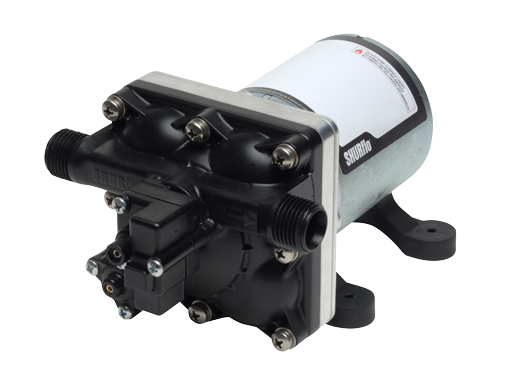
Product example: SHURFLO Revolution 4008-101-E65 12V Water Pump. Manufacturer photograph used with permission.
RV pump troubleshooting works best when the symptom is defined before parts are replaced. A pump that does not run, runs without priming, cycles rapidly or never stops points to different checks.
This guide is designed for RV owners who want a repeatable decision process, not a list of universal settings or a promise that one accessory fits every rig. Water systems vary by manufacturer, model year and later modifications. Use the current manuals for the RV and every installed appliance as the controlling instructions.
The examples below identify real products so readers can see how specifications change a decision. They are not claims of personal testing. Manufacturer statements, independent standards and customer feedback should remain separate. Prices, availability and seller details also change, so verify the selected offer at the time of purchase.
Pump does not run
Silence can indicate an empty power path, open protection, bad switch, wiring problem or failed pump.
Confirm water-system mode, then follow the model’s electrical diagnostic procedure. Measure voltage at the pump under the conditions the manual specifies.
Battery voltage measured elsewhere with the pump off may not reveal voltage drop. Do not install a larger fuse to prevent repeated opening.
Product example: SHURFLO 4008-101-E65 is a 12-volt bypass pump whose exact circuit and polarity requirements must be followed.
Pump runs but will not prime
An empty tank, closed valve, air leak, blocked strainer or incorrect flow direction can prevent priming.
Verify the source and valve positions, inspect the inlet side and follow the manufacturer’s priming limit and procedure.
Repeated dry running can damage a pump. Stop when the allowed priming period is reached instead of hoping more time will solve the fault.
Product example: The SHURFLO 255-223 strainer needs a sound seal and clear inlet path; a loose bowl can admit air without leaking water outward.
Rapid cycling or pulsing
Short fixture draws, restricted flow, air, an incorrectly charged accumulator or pressure-switch behavior can create cycling.
Compare behavior at several fixtures, inspect restrictions and follow the exact pump and accumulator guidance.
An accumulator does not repair a plumbing leak, blocked filter or failing check valve. Do not adjust a pressure switch without authorization.
Product example: SEAFLO pump-and-accumulator kits combine components, but the kit still needs correct precharge, plumbing and mounting.
Pump keeps running
A leak, open fixture, empty source, loss of prime or failed pressure control can keep a pump on.
Shut the system down if safe operation is uncertain. Inspect the full water path and use the manual’s diagnostic sequence.
Continuous operation can damage equipment and water from a hidden leak can damage the RV. Do not ignore the symptom because fixtures still deliver some flow.
Product example: The Flow Max LC689052 should be diagnosed by its own documentation, not by settings copied from a different pump family.
Noise and vibration
Healthy pump pulses can be amplified by rigid pipe, a resonant panel or a hose contacting cabinetry.
Inspect mounting, flexible connections and routing while preserving cooling and service access.
Do not bury the pump in sound insulation or loosen mounts beyond the manufacturer specification.
Product example: SHURFLO 94-591-01 flexible hoses are designed for pump connections, but their exact fittings and length must match the installation.
Related RV Water Fix guides
Use the first related guide for the next decision and the second related guide for a complementary checklist. Internal links should help a reader continue the same task, not merely repeat keywords.
Use the guide as a decision worksheet
Turn the recommendations into a short worksheet before buying or changing anything. Write the RV make, model year, water-panel type and the model numbers of the pump, heater and filter. Add the permitted pressure, available service space and the connection type you can verify from the manuals. Leave an item blank when it is unknown instead of filling the gap with a common assumption.
Next, describe the actual problem in observable terms. Examples include sediment collecting in a clear bowl, chlorine taste from known potable water, a pump that continues after every fixture is closed or a hose that cannot reach without a tight bend. This description is more useful than beginning with the name of a product. It also creates a baseline for checking whether a change helped.
Compare no more than a few compatible options at one time. Use the same fields for each: exact model, verified function, operating limits, included parts, maintenance, warranty path and total cost. Mark claims that come only from marketing and claims supported by a manual or independent listing. A blank evidence column is a reason to ask a question, not a reason to invent an answer.
After installation, review the worksheet against the observed result. Confirm that leaks, flow, noise and controls behave normally. Keep the removed part until the replacement has been verified when practical. If the expected improvement does not occur, return to the original symptom and diagnose the complete system instead of adding another accessory at random.
Build a simple ownership record
Save the model numbers, manual links and installation photographs for the components in the final setup. Record filter cartridge dates, normal regulator settings, pump circuit details and seasonal valve positions where they apply. A one-page record is valuable when another person connects the RV or when a problem occurs months after installation.
Update the record after any plumbing or appliance change. A replacement water heater, pump or utility panel can make an old procedure inaccurate even when the outside labels look familiar. When documents conflict, ask the manufacturer or a qualified RV technician instead of choosing the instruction that is easiest to follow.
How RV Water Fix evaluates recommendations
A responsible recommendation should solve a defined problem, fit the documented limits and have a maintenance routine the owner can follow. Popularity alone is not enough. A high review count does not verify contaminant reduction, pressure compatibility, electrical suitability or freeze protection. Reviews are most useful for identifying questions about fit, package contents, leakage and long-term ownership.
The best choice is often the least complicated setup that meets the documented need. Extra stages, gauges, adapters and valves add service points. They are worthwhile only when their specific benefit justifies the added maintenance. If a key specification cannot be verified, label the gap rather than guessing.
Final pre-purchase checklist
Before ordering equipment, confirm the exact model and selected variant, current package contents, connection type, operating limits, required accessories, service clearance and return policy. Compare total ownership cost, including replacement filters, seals, adapters, mounting hardware and professional work. Keep potable-water equipment separate from waste-service gear.
Before turning water or power back on, perform the model-specific commissioning steps and remain present to check for leaks or abnormal operation. Stop if the system behaves outside its instructions. This careful process is slower than copying a generic checklist, but it produces a safer and more defensible result.
Sources and verification
Research and specifications checked November 25, 2026. Verify current model details, availability and instructions before purchase.