Camco 40055 Brass RV Water Pressure Regulator Guide
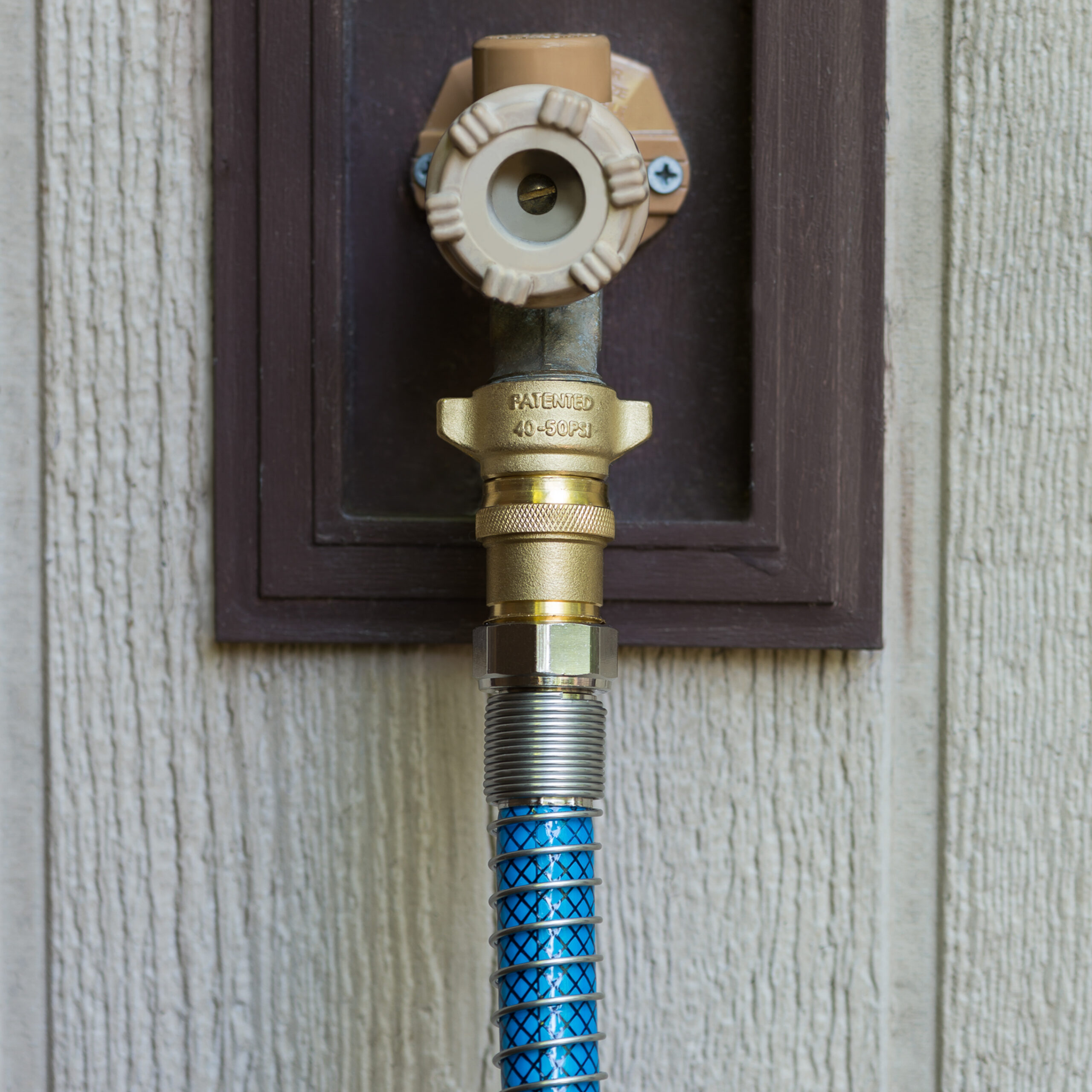
Exact product shown: Camco 40055 Brass RV Water Pressure Regulator Guide. Manufacturer photograph used with permission.
The Camco 40055 regulator is a straightforward choice for an RV owner who wants a fixed-pressure device at a campground hookup. Its attraction is the small, uncomplicated format. Its limitation is equally important: you cannot use it as an adjustable solution for every RV or as a diagnosis of poor water flow.
This guide evaluates the documented design and the buying decisions it creates. We have not tested this regulator in a campsite pressure trial. The recommendation depends on matching the regulator to your RV manual, hose and filter equipment rather than assuming that a familiar brand or brass body guarantees the right setup.
What the Camco 40055 actually provides
Camco identifies 40055 as its brass water-pressure regulator with three-quarter-inch garden-hose connections. Its catalog describes a preset operating range of 40 to 50 PSI. The manufacturer sells other regulator models, so the material and model number matter when comparing listings that use very similar names.
The 40055 does not have an integrated gauge. It also should not be confused with an adjustable regulator simply because the body has wrench flats. Those surfaces help with the appropriate connection procedure; they are not an invitation to modify the valve. Consult the instructions supplied with the exact unit rather than copying adjustment advice for a different Camco model.
The useful buying question is therefore specific: does a fixed regulator with this documented output suit the equipment downstream? If your RV maker specifies a different limit or requires a particular regulating arrangement, that requirement takes priority over a retailer calling the product universally suitable for campers.
Who should consider this regulator
A traveler who makes short stays and values a compact hookup kit may appreciate avoiding a larger adjustable body and separate dial. A fixed design also removes the routine decision about which adjustment setting to select each time. That simplicity is useful when several people share setup duties and want an easily identified component.
However, simplicity works only after compatibility is established. Someone who wants to observe pressure while troubleshooting a weak shower may prefer a regulator with a suitable gauge. An owner whose RV needs a lower verified setting should select equipment capable of meeting it. The 40055 is not the right purchase merely because it is small enough to fit the storage bin.
Consider your typical campsite as well. If the supply is already weak, a pressure-reducing valve cannot create additional upstream capacity. Buying the 40055 to increase flow misunderstands its purpose. First determine whether the problem is an inadequate source, a restricted hose, a dirty cartridge or a local fixture.
Check the connections before ordering
The garden-hose connection description is important. Garden-hose threads and tapered pipe threads are different connection systems even when both use a three-quarter-inch size description. Do not order adapters by diameter alone. Identify the actual inlet, hose ends and any additional fittings in your assembly.
A hose-style joint generally relies on its designated sealing arrangement, so inspect the supplied washer and follow the fitting instructions. Do not apply thread tape automatically to every visible thread. A missing or damaged sealing washer needs the correct replacement, and extra tightening can damage adjacent plastic equipment without fixing the original problem.
Plan the physical arrangement too. A regulator, elbow, quick connector and filter can become a surprisingly long assembly. Measure clearance around the campground faucet and the RV compartment. The aim is a connection you can inspect and disconnect comfortably, without asking the RV inlet to support a heavy chain of equipment.
How to place it in a practical hookup
Use the installation order specified by the regulator, hose, filter and RV manufacturers. The practical objective is to regulate the supply before it reaches equipment that needs that pressure protection. Where the device sits also determines which hose sections remain exposed to unregulated supply pressure.
Before connecting, confirm that the water source is designated potable and that the RV utility panel is in the correct normal-use mode. A pressure regulator does not identify a safe source, filter contaminants or select the tank-fill path for you. Keep potable hoses separate from waste-system flushing equipment throughout the setup.
After connecting according to the instructions, introduce water with supervision. Inspect the regulator connections and the next fittings in the line. If a drip appears, stop the supply and relieve pressure before correcting it. Avoid treating a small leak as acceptable simply because it occurs outside the RV.
Understand the missing gauge
The absence of a gauge means the 40055 cannot itself show whether the downstream pressure is matching the intended behavior. If you need to verify performance, use a suitable gauge and a controlled method recommended for the system. Record the gauge location and whether water was flowing when the reading was taken.
For example, a reading near the supply before a filter does not describe the pressure available after a restrictive cartridge. Likewise, a static reading with every tap closed is different from observing pressure during a shower. These distinctions matter when deciding whether the regulator is the problem or merely another component in the line.
Do not remove the regulator permanently to improve a weak stream without checking the RV requirements. Instead, compare the source and fixtures, inspect visible restrictions and use a safe diagnostic procedure. Protecting the plumbing and finding the cause of poor flow are separate jobs that should work together.
Ownership, storage and replacement decisions
Keep the regulator clean and protect the connections from dirt during storage. Follow Camco’s draining and storage instructions, especially before freezing weather. A brass exterior does not establish that trapped water cannot damage internal parts or that the assembly can be left outdoors through every condition.
Inspect the body, threads and sealing surfaces before the next trip. If operation becomes unreliable, obtain the manufacturer’s service advice rather than dismantling a fixed regulator based on a video for another model. Retain the purchase receipt and the exact packaging information so a warranty question refers to 40055 rather than a different regulator in the same range.
Compare the full hookup cost when buying. A low initial price can be less compelling if you must add a separate gauge, replace incompatible adapters or purchase a second regulator to meet your RV’s requirements. Conversely, paying more for adjustment features provides little benefit if you never need them and the fixed specification already fits.
Comparisons that help you choose
The Camco 40064 adds a visible gauge while retaining a preset approach. It is worth comparing if observation is important, but a gauge does not automatically make a regulator adjustable. For owners who require an adjustable setting, the Watts LFH560G and Valterra A01-1117VP are separate designs to investigate through their own specifications.
Choose on compatibility, documentation and the way you camp. The 40055 makes the most sense as a deliberately selected fixed component in a simple potable-water hookup. It is less convincing as a universal cure for pressure complaints or a substitute for understanding the RV’s supply limits.
Common questions
Will this regulator make a low-pressure campground stronger?
No. It reduces incoming pressure under its operating conditions; it is not a booster pump. Investigate the source and restrictions if the water stream is weak.
Is the stated preset safe for every RV?
No universal conclusion follows from that number. Compare it with the limit for your specific RV and every connected component, and choose another device if those requirements do not align.
Does the brass body certify water purification?
No. Material or lead-content statements are separate from contaminant-removal performance. Continue using an appropriate potable source and any treatment specifically needed for that water.
Sources and verification
Research and specifications checked November 25, 2026. Verify current model details, availability and instructions before purchase.