Camco 36003 Antifreeze Hand Pump Kit: Practical RV Buying Guide
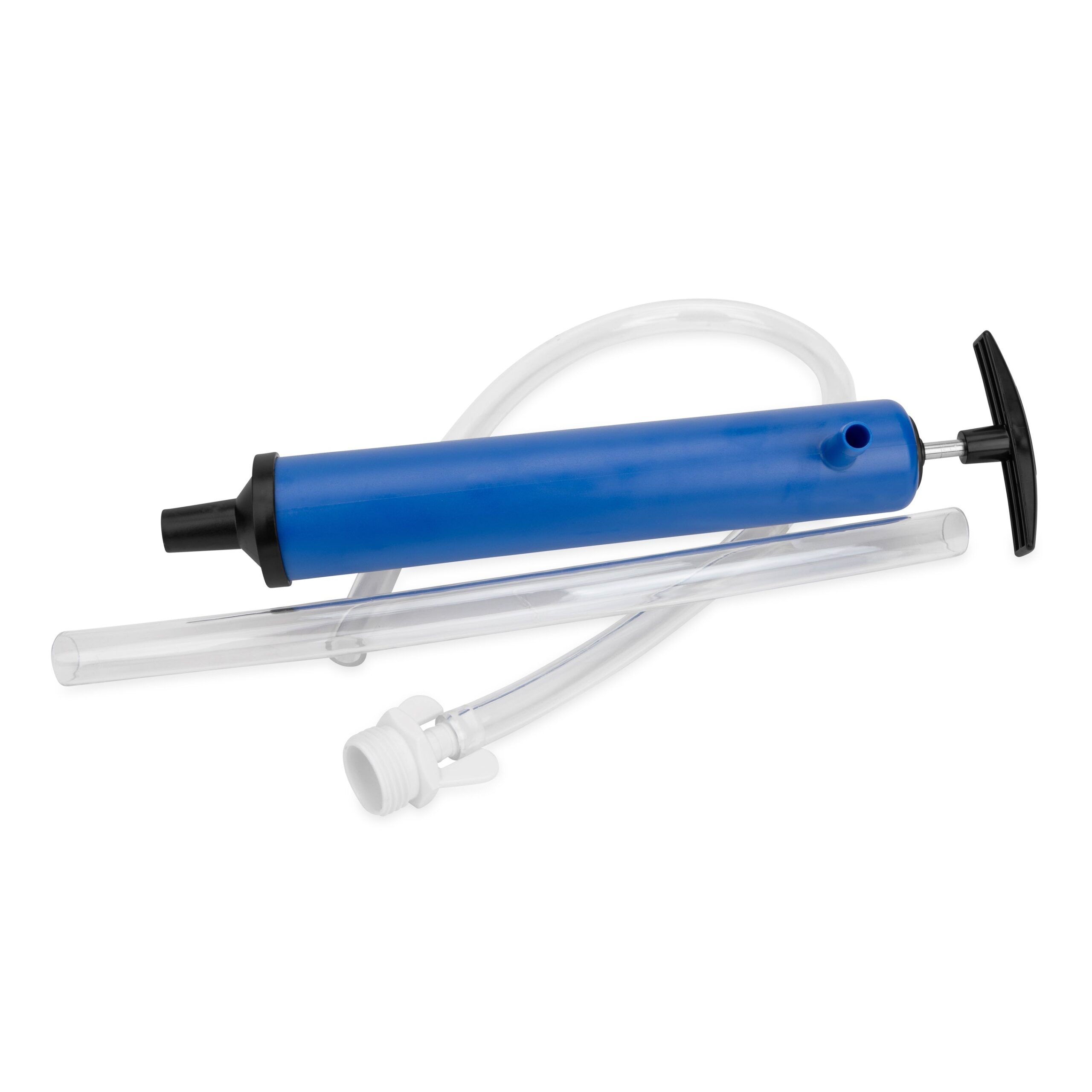
Exact product shown: Camco 36003 Antifreeze Hand Pump Kit: Practical RV Buying Guide. Manufacturer photograph used with permission.
The Camco 36003 hand pump is a manual way to introduce approved winterizing fluid where an RV’s instructions allow an external connection. Its appeal is straightforward: the pump is portable, and using it need not require adding a permanent selector beside the onboard water pump. However, the path it serves is the most important part of the buying decision.
Camco lists the exact item as Hand Pump Kit with Fittings, SKU 36003. Its winterization literature describes a flexible connecting line with a city-water connection. This makes it different from the 36543 pump converter, which provides an alternate suction path at the onboard pump. Choose between them by the RV’s documented method, not by which product appears easier in a short demonstration.
What you are buying
This is a hand-operated pump and connection equipment for a particular seasonal task. It is not an electric water-supply pump, pressure regulator or complete winterization service kit. The manufacturer product page confirms the model identity, while its older winterization literature explains the external connection role.
Check the exact package contents and instruction sheet supplied by the seller. A product photograph is useful for identification, but it may not establish every included adapter or replacement seal. The currently accessible Camco listing provides limited operating detail, so buyers should obtain the instructions before assuming a particular faucet connection or fluid-container arrangement will work.
Best-fit owners and situations
The 36003 is worth considering when your RV manual specifically permits feeding winterizing fluid through the city-water connection and the relevant onboard pump or tank path has separate protection instructions. It can also appeal to owners who prefer a removable tool over a permanent plumbing change.
A portable pump can be convenient across more than one compatible RV, but each rig still needs its own approved procedure. The same connector does not make the same winterization sequence correct for every water panel. Before buying for several vehicles, list their inlet arrangements, bypass requirements and optional appliances separately. Confirm compatibility for each one.
Check what the external route actually reaches
Water entering through a city connection may not pass through every component in the tank-and-pump supply path. Camco’s general winterization diagram distinguishes introducing fluid from outside from introducing it upstream of the onboard pump. That distinction means the pump itself can require a separate procedure when you use an external hand pump.
Ask a practical question: which parts remain outside this flow path? The fresh tank, pump, filters and appliances must each appear on the winterization inventory. A fixture delivering colored fluid does not prove that an isolated component is protected. Use our winter preparation planning guide to organize the inventory, then follow the exact manuals.
Confirm the inlet and fittings
Identify the potable city-water inlet from the RV’s labels. Do not confuse it with a black-tank flush fitting, gravity tank fill or a winterizing suction port that has a different function. The fact that a hose connector can attach does not establish the correct destination.
Also check the pump kit’s current connector requirements and the RV manufacturer’s allowed method. Some adapters may be separate purchases. Camco’s older marine catalog mentions a separate faucet adapter for an inside-faucet connection, so do not assume that every attachment shown with the product is part of every retail package. Match the actual SKU and instructions.
Plan the physical work before choosing manual pumping
Manual equipment moves the work from an electric pump to your hands. Think about where the fluid container will stand, whether the hose reaches without strain and whether another person can operate the fixtures while you pump. A stable, accessible setup is preferable to trying to hold several pieces together in a cramped compartment.
If several outlets need individual attention, a written checklist helps organize the task. Stop when the process becomes difficult to control. Excessive resistance is a reason to check the instructions, valve positions and flow path rather than forcing the handle. We have not measured pumping effort or output and cannot promise that this method will be faster for your layout.
Use only the specified winterizing product
The kit does not determine the right fluid. Follow the RV and appliance instructions and use a product labeled for the applicable potable-water winterizing task. Automotive coolant and windshield-washer fluid are not substitutes. Also keep cleaning chemicals and drinking-water equipment separate from waste-system tools.
Read the fluid label for use, compatibility, handling, storage and removal instructions. Do not improvise a diluted mixture or copy another owner’s quantity. A hand pump supplies a route into plumbing; it cannot correct an inappropriate product or an incomplete storage process. Keep children and pets away from the work area and any open chemical container.
Heater and filter planning
Where the procedure requires a heater bypass, confirm that arrangement before introducing fluid. Bypassing and draining a heater are separate actions. The correct sequence comes from the actual RV and appliance instructions, especially where the heater is tankless or has been replaced.
Similarly, check filter cartridge removal, bypass and housing storage requirements. A cartridge intended for water treatment may not be compatible with winterizing chemicals. Do not assume a clear or blue housing is harmless to leave connected because fluid can pass through it. The required service path must account for both equipment compatibility and retained water.
Cleaning, storage and spring return
After the task, care for the hand pump and flexible line according to their instructions. Keep the parts dedicated to their intended use, protect the connection ends and label the storage container. Avoid a shelf where the kit can become mixed with sewer fittings or chemical-contaminated tools.
In spring, use the RV’s flushing and sanitation procedure before normal water service. Record what winterizing product you used and which components received separate treatment. A portable hand pump leaves no permanent selector to reset, but the RV’s bypass valves, drains and removed parts still need restoring. Check for leaks during a supervised return to service.
Compare the 36003 with realistic alternatives
The Camco 36543 converter kit may be more convenient where a compatible onboard pump is readily accessible and you winterize the same rig repeatedly. A factory-installed pickup may make either purchase unnecessary. Compressed-air equipment serves a different role and should be considered only where all relevant manufacturers approve the method.
Evaluate total effort rather than the price of the pump alone. Include adapters, access, help from another person, fluid handling and separate appliance procedures. If you cannot identify what the method reaches, paying for a qualified service may be a more useful purchase than another accessory. We have not verified a current Amazon price or claimed hands-on performance for this kit.
Frequently asked questions
Does the kit winterize the onboard pump automatically?
Do not assume it does. An outside connection can bypass the pump’s normal supply path. Follow the specific pump and RV storage requirements.
Is an air compressor necessary?
The 36003 is a manual fluid pump, not a compressor adapter. Whether a separate air step is required or allowed depends on the RV procedure.
Can this replace my drinking-water transfer pump?
Buy it for its documented winterizing role. Do not repurpose a chemical-service tool for drinking-water transfer without explicit manufacturer approval and an appropriate care procedure.
Sources and verification
- Camco manufacturer product page
- Camco winterization guide, pages 4 and 6; general guidance is not a substitute for the RV manual
- Winnebago model-year owner manuals, an example source for matching the actual RV procedure
Research and specifications checked November 25, 2026. Verify current model details, availability and instructions before purchase.