Camco Plastic Y Shutoff Valve, 20073: Detailed RV Buying Guide
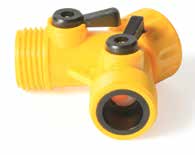
Exact product shown: Camco Plastic Y Shutoff Valve, 20073. Manufacturer photograph used with permission.
Define the job this accessory should do
Camco SKU 20073 is a plastic Y shutoff valve, not the brand’s brass Y valve. This guide corrects the earlier catalog title so the name, picture and part number agree.
That purpose should stay narrow. Camco Brass Y Shutoff Valve, 20073 does not automatically make an unknown water source potable, protect the RV from excessive pressure or replace a treatment filter unless its documentation explicitly says so. Start with the RV’s water-system instructions and the campground’s rules. Then identify the one routing, connection, freeze-protection or convenience problem you are solving.
A simple sketch helps prevent unnecessary parts. Draw the spigot, regulator, potable hose, filter and RV inlet in order. Mark which pieces carry drinking water and which are used for waste-system service. Never let a convenient splitter or quick connector erase that separation. Dedicated equipment, protective caps and clearly labeled storage reduce cross-contamination risk.
Check the exact model and package
Use the complete model number when shopping. Marketplace pages can combine lengths, materials and package quantities, and the photograph may change with the selected option. Confirm that the current title, selected variant, package label and manufacturer description all identify Camco Brass Y Shutoff Valve, 20073. If any of those disagree, pause before ordering.
Package contents matter too. A kit photograph may show equipment that is sold separately, while an accessory may require a matching half or a sound hose washer. List every required component and compare it with what you already own. This prevents paying for duplicates and avoids arriving at a campsite with a part that cannot connect.
Fit, threads and clearance
Garden-hose connections use mating male and female ends with a washer-based seal. They should not be confused with pipe threads or visually similar plumbing fittings. Inspect the washer, start threads by hand and avoid using a tool to force a misaligned connection. Thread tape is not a universal fix for a gasket-sealed hose coupling.
Measure the actual compartment with its door closed and the hose routed. An elbow changes the bend point. A flexible protector adds length. A splitter needs room for two hoses and its valve handles. A heated hose needs a safe path to power. A paper measurement of the accessory alone does not establish that the complete assembly will fit without strain.
Pressure and leak control
Choose the pressure setting from the RV manufacturer, and place the regulator according to the relevant instructions. Do not assume a brass body, visible gauge or sturdy hose makes downstream plumbing safe at any campground pressure. Accessories that route water are not substitutes for pressure control.
Assemble with the source off. Open water gradually and inspect every added joint. Watch the connection under normal operating conditions instead of checking only while the line is unpressurized. If a leak appears, shut off the source, relieve pressure and correct the seal or alignment. Tightening harder can damage threads, deform a washer or crack a plastic part.
Campground use and responsible operation
Keep the hose and fittings off contaminated ground where practical. Protect open ends during setup and storage. Confirm that the chosen spigot is approved for potable-water use, and follow any site rule about splitters, adapters or unattended connections. A part that physically fits is not permission to use a restricted outlet.
Turn off the source when leaving the RV for an extended period if that matches your RV and campground guidance. Internal auto-shutoff features are conveniences, not a replacement for controlling the main source. Avoid leaving a temporary adapter under conditions the manufacturer prohibits.
Cleaning, inspection and storage
Drain and dry the accessory as directed. Inspect threads, washers, valve movement, strain relief and electrical surfaces before each trip. Replace a damaged seal with the correct material and size. Do not lubricate potable-water parts with an unapproved product or attempt to repair a heated assembly contrary to its instructions.
Use a dedicated clean bin or bag for drinking-water gear. Cap connection ends, keep the equipment away from sewer hoses and store it where it will not freeze or be crushed. Label small mating parts so they do not become an anonymous collection of fittings. Good storage is part of maintaining a reliable hookup.
Buying verdict
Choose it when the measured routing or connection problem matches its documented purpose, the fittings match and you can inspect the added joint. Skip it when the existing hose can connect without strain or when the campsite prohibits the arrangement.
Compare the accessory with the complete process in the campground water setup guide and the common hookup mistakes guide. Buy it when it solves a measured problem and the exact model fits. Skip it when it merely adds another joint without improving routing, protection or repeatability.
Final checklist
Before checkout, verify the model number, material, thread type, included pieces, rated use, storage needs and the return policy for an unopened incorrect item. Confirm any electrical or temperature requirement from the current instructions. This guide does not claim a live price or personal hands-on test.
After installation, keep the packaging or instruction sheet with the RV records. Note where the accessory sits in the connection order and what limitation controls its use. That small record makes later troubleshooting faster and helps another person reproduce the setup safely.
How to verify the offer and seller
Before buying, compare the manufacturer’s exact model page with the selected marketplace offer. Check the model number in the title, specification table, package photograph and variant selector. Those fields can disagree when a seller has merged several products onto one listing. Save a copy of the order description and inspect the received package before the return window closes.
Seller credibility is a separate question from product design. Look for a clearly identified seller, an appropriate return policy and a realistic delivery promise. A high review count does not confirm that the current seller will ship the exact model shown, and reviews attached to a variation family may cover different products. Treat recurring fit or leakage complaints as issues to investigate, not proof that every unit will fail.
Total ownership cost
Compare the complete ownership task rather than the shelf price alone. Include required adapters, replacement seals, cartridges, mounting hardware, electrical work, storage protection and likely service access. A low-cost component can be poor value if it needs unsupported adapters or frequent replacement. A more expensive assembly can still be a weak recommendation when its documented benefit does not address the buyer’s problem.
Keep consumable part numbers in the RV records and check whether they remain readily available. Do not calculate a precise cost per gallon, season or trip unless the actual service life is known for the user’s water and operating conditions. A range with stated assumptions is more honest than a precise figure copied from ideal marketing conditions.
What to record after installation
Create a short equipment record with the exact model, purchase source, installation date, manual link and any compatible replacement parts. Photograph the final routing and note the normal valve or gauge position. These details make future troubleshooting safer, especially when a different person sets up the RV or services it months later.
During initial use, record leaks, unusual noise, flow changes or operating conditions that matter. Stop if the product behaves outside its instructions. Do not keep tightening, raising pressure or bypassing protection in an attempt to make an incompatible part work. Contact the manufacturer or use qualified service when the cause is unclear.
Responsible recommendation standard
RV Water Fix should recommend this product only for buyers whose documented need matches its function. The article should keep manufacturer claims, independent standards and customer feedback clearly separated. It should also be updated when specifications, package contents or availability change. That standard protects readers better than repeating a marketplace title or implying firsthand testing that did not occur.
The final decision should be repeatable: identify the problem, verify the exact model, confirm compatibility, understand the maintenance and compare a realistic alternative. If any of those steps remains unresolved, the responsible conclusion is to wait for clarification rather than forcing a confident recommendation.
Sources and verification
- Camco Plastic Y Shutoff Valve, 20073 source or manufacturer documentation
- Winnebago owner manual directory
Research and specifications checked November 25, 2026. Verify current model details, availability and instructions before purchase.