Camco 20183 Hose Filter Washers: Detailed Fit and Use Guide
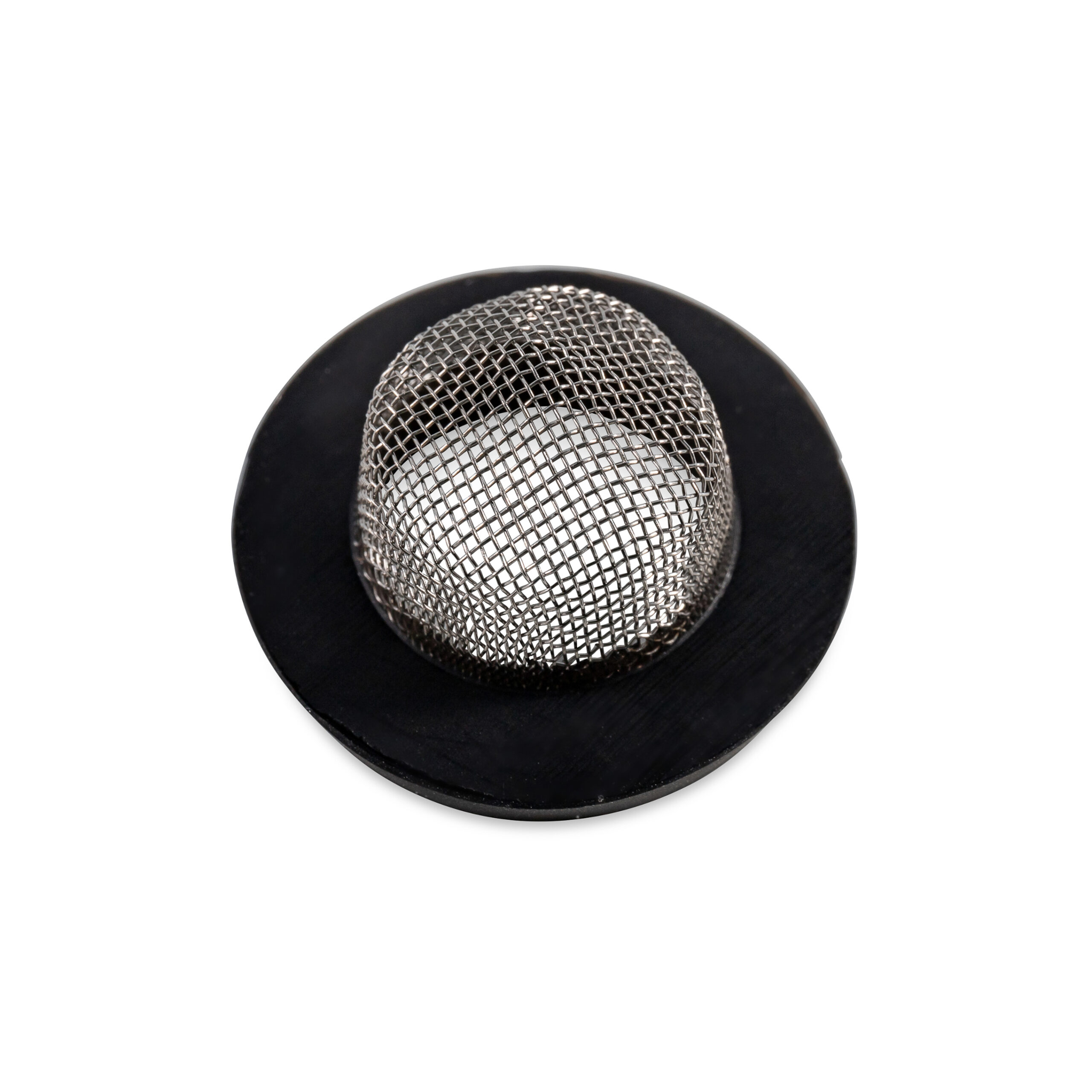
Exact product shown: Camco 20183 Hose Filter Washers. Manufacturer photograph used with permission.
Camco 20183 hose filter washers are small screened washers intended to intercept debris at a compatible hose connection. They are useful to evaluate when grit repeatedly appears at an inlet or fitting, but they should not be promoted as a complete RV drinking-water filtration system. Their role is much narrower than that of a carbon or membrane cartridge.
The buying decision is primarily about fit, sealing and access for inspection. A low-cost accessory can still create an inconvenient leak or restriction if it is placed in an unsuitable joint or forgotten after collecting debris. This guide explains the exact model and the practical checks that make it a sensible accessory rather than an automatic addition to every connection.
What is verified for the 20183 pack
Camco’s exact-SKU dealer page identifies a three-pack of hose filter washers with stainless-steel mesh described as 60 by 50. The manufacturer says the washers fit a standard garden-hose female coupling. Its catalog places them alongside ordinary hose washers, but lists the screened 20183 and plain 20153 as distinct products.
The “one-inch” description used for this washer should not be read as a promise that it fits a one-inch threaded pipe joint. The relevant specification is the intended hose-coupling application. Thread size, washer diameter and the internal space available for the mesh are different physical features.
The manufacturer describes interception of trash and debris. It does not establish from that description that the screen removes dissolved chemicals, chlorine taste, viruses or every fine sediment particle. Do not convert the mesh count into a drinking-water treatment claim or a precise micron rating that the documentation does not provide.
Decide whether a screen addresses your problem
If a connection repeatedly catches visible grit, a serviceable screen at an appropriate point may be worth considering. It offers a place to inspect what is arriving at that joint. However, finding particles on a screen is an observation about the supply and the assembly, not proof that the remaining water meets every safety requirement.
If your concern is taste, odor, hardness or a specific contaminant, begin with appropriate water information and treatment evidence. A mesh washer is not interchangeable with a sediment canister, carbon block or water softener. Each performs a different job and creates different maintenance requirements.
Also ask whether the intended fitting already includes a screen. Stacking accessories into a confined coupling can prevent proper seating or create an unnecessary restriction. The useful goal is an approved, inspectable connection, not the largest possible number of filtering pieces in the hose path.
Inspect the receiving coupling before installation
Turn the supply off and relieve pressure before opening a connection. Examine the manufacturer’s instructions for the hose or fitting that will receive the washer. Identify its original sealing part and verify that a screened washer is permitted there.
Check the available depth and whether a projecting mesh dome would touch another component. A washer that appears close in size can still prevent the coupling from engaging correctly. Do not force a swivel nut tighter to compensate for a screen that does not sit in its intended position.
Keep the original part information until you are certain of the correct arrangement. If an existing washer is damaged, replace it with a suitable part rather than layering new seals over old ones. An apparently simple connection is easier to troubleshoot when you know which single sealing arrangement it is designed to use.
Understand sealing and screening as separate functions
The perimeter of the washer and the screen do different jobs. A screen that looks intact does not prove the seal is sound. Conversely, a joint that does not drip can still have a dirty screen that reduces delivered flow.
After a permitted installation, restore water with supervision and inspect the joint. If a leak appears, shut off the source and release pressure before investigating. Look for a displaced washer, damaged sealing face or incorrect fit instead of assuming the solution is more torque.
Avoid applying pipe-thread tape as a general cure for a hose-washer problem. The fitting’s designated sealing surface matters. If you cannot identify the correct washer type or connection method, obtain the hose or fitting manufacturer’s advice before returning the joint to service.
Make inspection part of the hookup routine
A screen that intercepts debris needs a practical inspection plan. Choose a permitted location you can reach without dismantling an entire filter stand or twisting the RV inlet. Accessibility matters more than hiding the washer deep inside a complicated assembly.
If flow decreases after visiting a new water source, record where the symptom appears before opening everything. Compare several fixtures and check external hose bends. Inspect the screened connection as part of that process, using the isolation and cleaning instructions applicable to the equipment.
Do not poke the mesh with a sharp object to restore flow. A damaged screen may no longer perform as intended, and a distorted washer may no longer seat properly. Use the manufacturer’s cleaning or replacement guidance and replace a damaged part with the correct model.
Keep potable-water handling disciplined
Store spare washers in a clean container reserved for drinking-water equipment. Do not keep loose seals in the bottom of a toolbox with oily fittings or waste-system accessories. The small size makes them easy to misplace, so label the pack and retain its model information.
During service, keep hose ends and washers away from the ground and dirty surfaces. If a part becomes contaminated, follow an approved sanitation process or replace it as appropriate. A quick rinse is not evidence that a contaminated component is ready for potable service.
Use a known potable source and follow local water advisories. A clean-looking mesh cannot demonstrate that invisible contaminants are absent. Likewise, an extra screen does not turn an unsuitable or unknown source into an approved drinking-water connection.
Compare the washer with other accessories
Choose an ordinary compatible hose washer when you only need to restore the designated seal and screening is unnecessary or not allowed by the fitting. Consider the 20183 when its screened design is appropriate for a specific garden-hose female coupling and you can inspect it easily.
Choose a documented sediment filter when the water concern requires more than this small screen can establish. A filter housing offers a different service format and may have specific performance information. That choice should follow the actual water problem and required flow, not simply a desire to add another accessory.
For buyers assembling a fresh-water kit, the 20183 can be a sensible small maintenance item. Its value comes from correct use and inspection. It deserves less emphasis than selecting the proper hose, regulator, safe source and treatment system for the RV.
Questions owners ask
Does “60 by 50 mesh” mean a certified micron rating?
No such certification follows from the mesh description alone. Use the manufacturer’s actual specifications and avoid assigning a pore-size or contaminant-removal claim that has not been documented for this part.
Can I add one to every threaded connection?
No. The manufacturer describes a standard garden-hose female coupling application. Confirm that the receiving fitting accepts the washer and provides the necessary clearance before changing its original seal.
Will the three-pack cover my whole RV?
The pack count tells you how many washers are supplied, not how many your installation should use. Identify the appropriate locations individually and keep any remaining parts as clean, labeled spares.
Sources and verification
Research and specifications checked November 25, 2026. Verify current model details, availability and instructions before purchase.