SHURFLO 94-591-01 Flexible Pump Hose Kit
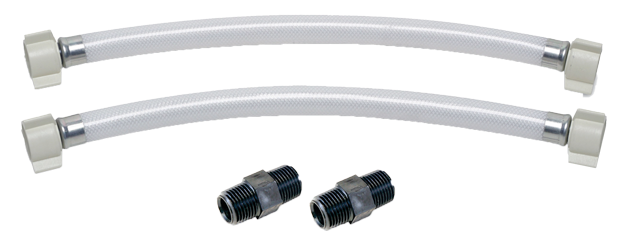
Exact product shown: SHURFLO 94-591-01 Flexible Pump Hose Kit. Manufacturer photograph used with permission.
The SHURFLO 94-591-01 is a flexible hose kit intended to reduce the rattling and plumbing vibration associated with a water-pump installation. It is most relevant when a pump’s normal movement is being carried into rigid plumbing or a cabinet. It is not a replacement motor, a pressure regulator or a guaranteed cure for every sound coming from the utility bay.
Before buying it, identify the sound and inspect the layout with the pump switched off. A loose panel, stored item touching a pipe or restricted inlet can require a different correction. This guide is based on Pentair’s documentation and installation reasoning. We have not measured noise reduction from this kit and cannot promise a particular decibel improvement.
Confirm what the kit contains
Pentair identifies 94-591-01 as a complete pump-silencing kit with two flexible hoses, half-inch female swivel fittings and two half-inch male pipe couplers. These components provide connection options; their presence does not establish that every RV pump and line arrangement will accept the kit without additional planning.
There is a documentation conflict worth noticing. Pentair’s descriptive text says the kit contains two 36-inch hoses, while its parts table associates the kit with 411-020-00 risers described as 30 inches. Do not choose a layout based on an assumed length. Confirm the contents and measured hose length of the package being sold before you order, especially in a tight cabinet.
Decide whether vibration transfer is the problem
Describe when the sound occurs. Does a cabinet buzz only while the pump delivers water, or does the pump repeatedly start and stop with a partly open tap? Is the water stream steady or full of air? These observations separate a mounting-and-routing issue from a supply or control issue.
For example, a pipe resting against an access panel can make ordinary pump movement much more noticeable. By contrast, a pump struggling to prime may need an inlet-path repair. A flexible hose may alter the sound without fixing the reason for poor delivery. Use our pump troubleshooting guide before treating accessory installation as diagnosis.
Understand the purpose of flexibility
The kit creates flexible sections between the pump and the fixed plumbing. Pentair’s 4008 installation manual calls for flexible hose at the pump connections and discourages rigid pipe directly at the ports. That makes the intended role of this accessory clear: reduce the direct path by which movement reaches other parts of the installation.
Flexibility still needs controlled routing. A hose pulled tight between two points may be flexible in material but stressed in practice. A hose that rubs against a thin panel can create a new contact point. Plan enough space for smooth bends and appropriate support while preserving the ventilation and service access the pump requires.
Check threads and sealing methods carefully
Read the instructions for both the pump and the mating plumbing. The kit’s female swivel ends and supplied male pipe couplers perform different connection jobs. Do not assume a washer-sealed swivel should be assembled using the same approach as a tapered pipe-thread joint.
Photograph the existing connections, identify the thread standards and determine where each seal is formed. Indiscriminate thread tape and excessive tightening can create problems, especially at plastic pump parts. Use the specified sealant only where the fitting instructions call for it. If the combination is unclear, ask Pentair or a qualified installer before making up an adapter chain.
Measure the route before purchase
Use a flexible tape or a piece of cord to visualize the required path without forcing a sharp turn. Account for the strainer, valves and fittings as well as the distance between the pump and fixed line. Then compare that route with the confirmed contents of the exact kit package.
Consider how you will remove the pump or clean the strainer later. A route that looks tidy on installation day can block the only service opening. Also check whether a loop will hit stored gear, a sharp edge or a moving cabinet component. These practical details determine whether a noise-control accessory remains useful during ownership.
Do not confuse quieter operation with corrected pressure
The hose kit does not change the RV’s maximum permitted water pressure and does not increase the available electrical power. It should not be used to justify a pump with incompatible shutoff pressure or a circuit that cannot supply the required current. Likewise, it is not a substitute for controlling incoming city-water pressure with an appropriate regulator.
If the pump’s behavior changed after fitting a restrictive filter or closing a valve, investigate that change. The pump and plumbing must work within their intended conditions. Randomly changing a pressure-switch setting to complement new hoses can hide a fault instead of resolving it.
Plan a controlled installation and retest
Follow the exact equipment instructions. Stop water supply, isolate pump power and relieve pressure before disconnecting plumbing. Keep residual water away from wiring. Do not work on a hot or energized assembly or use a hose connection as a convenient pressure-release shortcut.
After approved installation, restore the system with supervision. Inspect every new joint while water is being used and after fixtures close. Compare the sound under the same fixture conditions as before. If a rattle remains, locate the contact point rather than tightening unrelated parts. Recheck the installation after the next drive because hose position and stored equipment can change.
Ownership costs and maintenance
The purchase decision should include any additional compatible fittings, support hardware or professional installation. A small accessory can be poor value if it requires an awkward layout or repeated disassembly for normal service. We do not have a verified current Amazon offer for the exact kit, so compare actual contents and seller details when evaluating price.
Inspect the hoses for abrasion, strained ends and leaks as part of routine water-system checks. Follow storage and freeze-protection instructions for the entire installation. Adding flexible sections adds connections that deserve inspection; it does not remove the need for seasonal maintenance or make concealed leaks harmless.
Alternatives worth comparing
If a mounting foot is loose or a panel is vibrating, an approved mounting correction may be more relevant than additional hose. If the pump is connected with unsuitable rigid pipe, a manufacturer-approved flexible connection may address the layout directly. Choose the correction that matches the observed cause.
For a compatible pump example, read the SHURFLO 4008-101-E65 guide. If you are replacing the pump at the same time, the replacement-pump guide helps separate the motor’s requirements from the hose kit’s role.
Questions owners ask
Will it make the pump silent?
No specific noise reduction is verified in this guide. The kit targets a vibration-transmission path. Motor sound, pressure-control behavior and other contact points can remain audible even when the flexible connections are appropriate.
Should I buy it with an accumulator?
Check the exact pump design first. Pentair states that the 4008 bypass pump does not require an accumulator. Do not add a pressure vessel automatically just because it is often bundled into online noise-reduction advice.
Which hose length should I expect?
Confirm the sold package with the manufacturer or seller. The conflicting 30-inch and 36-inch information on Pentair’s page is a reason to verify, not a reason to silently choose whichever figure best fits a proposed installation.
Sources and verification
Research and specifications checked November 25, 2026. Verify current model details, availability and instructions before purchase.