SHURFLO 255-223 Pump Strainer
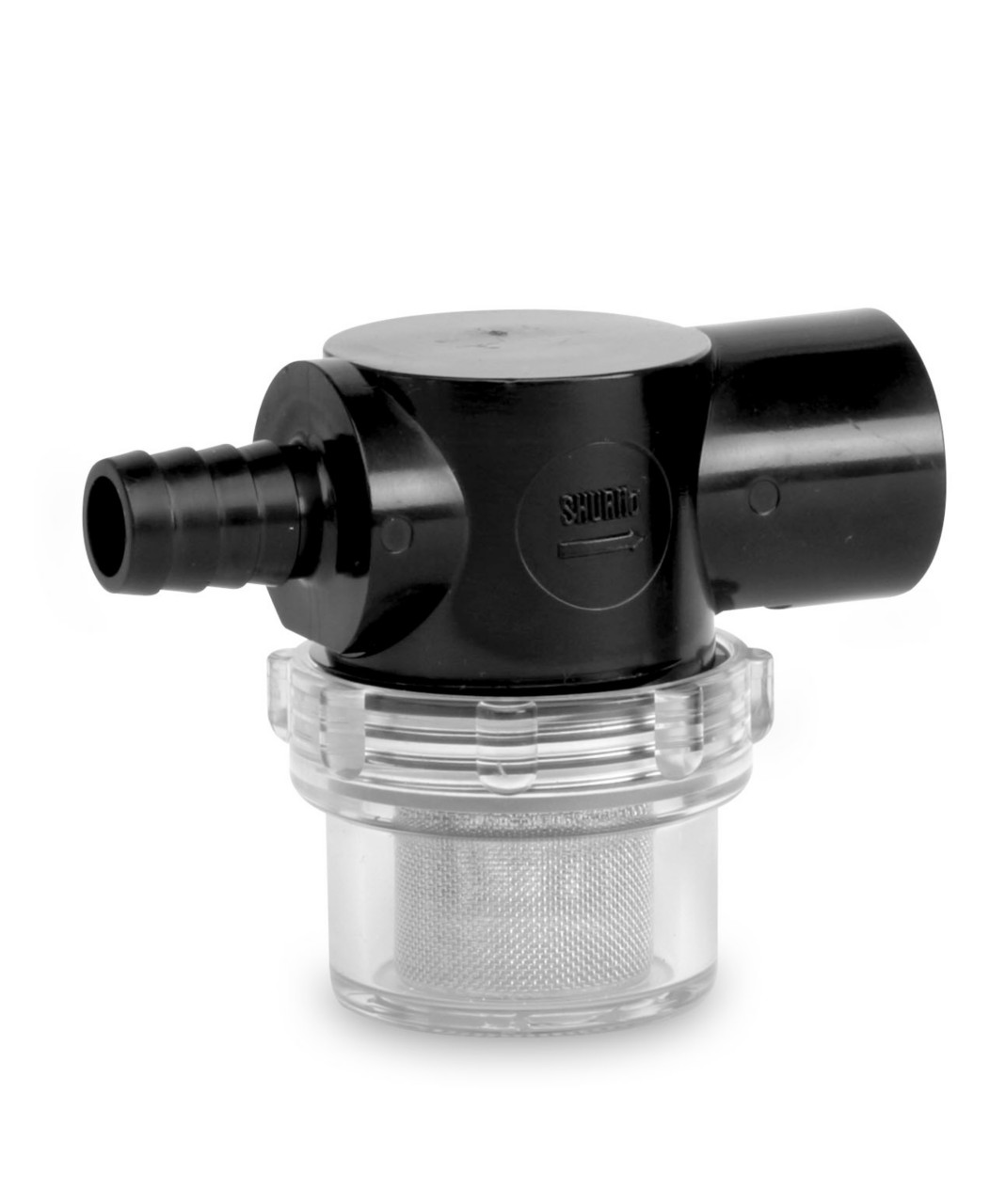
Exact product shown: SHURFLO 255-223 Pump Strainer. Manufacturer photograph used with permission.
The SHURFLO 255-223 strainer is a small part with a specific job: keep suitable debris from entering a compatible water pump. It belongs in a pump-protection discussion, not in the same category as a carbon drinking-water filter. Before buying one, confirm the connection pattern and make sure you can reach it for inspection and cleaning.
This research-based guide focuses on model identification, service planning and sensible replacement decisions. We have not tested its mesh retention, pressure loss or durability. We also have not verified a current Amazon seller or price for the exact 255-223. A low purchase price does not make the wrong connection type a useful spare.
Identify the 255-223 connections
Pentair’s strainer information identifies the 255-223 configuration with a half-inch barb inlet and a half-inch NPSM outlet connection. The manufacturer describes a 50-mesh stainless screen and a transparent plastic design. Its published model information lists a 50 PSI maximum. Check the exact product’s installation instructions and label before deciding where it can be used.
There is an important naming detail: Pentair’s RV accessory table pairs aftermarket number 255-323 with OEM number 255-223. Another current Pentair page lists 255-223 directly. Do not assume the number on a retail package and the number in an RV’s original parts list must be identical. Confirm the cross-reference and actual ports with the seller or manufacturer.
What a pump inlet screen can and cannot do
A coarse screen helps stop debris that could interfere with pump operation. It is not evidence of broad chemical reduction, disinfection or removal of every microorganism. The mesh number does not turn this accessory into a certified drinking-water purifier. Keep water-source safety and drinking-water treatment decisions separate from the pump-protection task.
That separation also helps when diagnosing a complaint. A visible piece of debris in the bowl may explain why inspection is necessary, but it does not establish the safety of the water in the tank. For treatment choices, use the RV filtration selection guide and evidence for the specific contaminant you want to address.
Check compatibility before ordering
Read the pump’s manual and identify its required inlet arrangement. Compare thread type, hose diameter and the available routing space. A threaded outlet that looks close is not necessarily compatible, and a hose barb needs the correct hose and fastening method. Avoid assembling a chain of improvised adapters simply to use a spare already in your toolbox.
Also establish whether the listed item includes everything you expect. A replacement bowl, a screen and a complete strainer assembly are different purchases. Study the product description and parts list rather than relying on a single thumbnail. Keep the package number and invoice after installation so future replacements can be matched accurately.
Service access is part of the buying decision
The transparent bowl makes inspection more convenient when it is visible. That advantage disappears if the assembly is hidden behind a pump motor or pressed against a cabinet wall. Measure the space needed to remove the bowl and hold a small catch container below it. Consider the direction in which the hose will pull on the assembly.
Plan support so the plastic body is not carrying the weight of a strained hose run. The strainer should be accessible without forcing a line sideways every time it is cleaned. If the current location makes regular service impractical, discuss an approved layout change with a technician before buying parts for a like-for-like installation.
When cleaning makes sense
If the assembly is intact and its instructions permit cleaning, inspect and clean it using the manufacturer’s procedure. Isolate electrical power to the demand pump and relieve water pressure before opening the bowl. Keep the parts clean and account for the screen and sealing components while the assembly is apart.
Do not use an abrasive tool, unsuitable solvent or improvised chemical bath without confirmation that the material is compatible. A screen that looks cleaner after aggressive treatment may have been damaged. Likewise, a clear bowl can be scratched or cracked by the wrong handling. Replace a compromised part rather than relying on appearance alone.
When replacement is the more appropriate step
A cracked body, damaged sealing surface, distorted screen or persistent connection problem warrants a closer assessment. Replacement may be appropriate, but identify the cause of damage. If a hose is pulling sideways or a fitting was overtightened, a new strainer installed under the same stress can develop the same problem.
Record whether the issue began after cleaning, freezing conditions or a pump replacement. That history is more useful than simply reporting weak flow. The pump troubleshooting guide explains how inlet restrictions and air entry can resemble a pump fault. A dry cabinet does not rule out an air leak on the suction side.
Retest the whole inlet path after service
Restore the system according to the pump and RV procedures, then observe a short supervised run. Look for steady delivery, normal shutoff behavior and moisture around the serviced connection. If the pump sputters or fails to prime, stop and check the assembly and its seals rather than leaving the motor running indefinitely.
Inspect again after the next drive. Travel can change the way a hose rests against nearby parts. Keep the strainer in your seasonal maintenance inventory because trapped water and storage requirements still matter. Draining the main tank does not prove that every small component in the water path is protected.
Compare alternatives by port pattern
Pentair offers other strainer arrangements, including threaded-inlet and female-swivel versions. Those are meaningful alternatives when the pump and hose layout call for them. They are not interchangeable merely because the transparent bowls look alike. Choose the model whose documented connections suit the actual installation.
Our SHURFLO 4008 pump guide provides a related example of why exact fitting instructions matter. Buy the complete, compatible inlet arrangement, not the strainer with the most familiar photograph.
Questions before buying a spare
Will it improve water taste?
That is not the documented purpose of this pump inlet screen. Taste treatment requires an appropriate, separately documented filter. Avoid counting a strainer as an additional carbon stage in a filtration comparison.
How often should I clean it?
Follow the equipment instructions and inspect when conditions or symptoms justify it. A fixed interval cannot predict every tank’s debris load. Record findings so repeated contamination can be investigated upstream.
Should I tighten a leaking bowl harder?
Not automatically. Isolate the system and inspect the correct seal, seating and body condition. Extra force can make a plastic-component problem worse. Use the prescribed assembly method and obtain help if the sealing arrangement is unclear.
Sources and verification
- Pentair Shurflo strainer model table
- Pentair RV strainer OEM and aftermarket cross-reference
- Pentair pump inlet and maintenance instructions
Research and specifications checked November 25, 2026. Verify current model details, availability and instructions before purchase.