SEAFLO 42 Series SFDP1-040-055-42 12V Pump
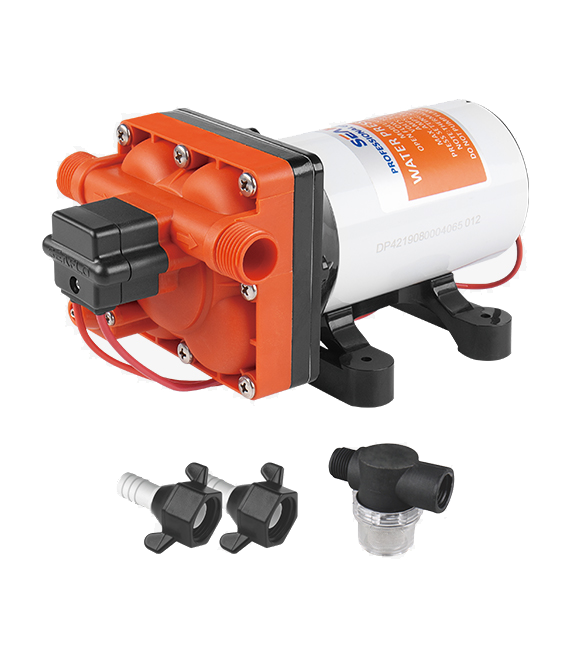
Exact product shown: SEAFLO 42 Series SFDP1-040-055-42 12V Pump. Manufacturer photograph used with permission.
The SEAFLO SFDP1-040-055-42 is a higher-flow 12V pump candidate that should be evaluated as an installation change, not an automatic drop-in upgrade. The published maximum current is an especially important comparison point. A pump can share a familiar voltage and shutoff pressure with an existing unit while asking much more of the circuit.
This research-based guide explains the documented model distinctions and the questions to resolve before purchase. We have not measured its performance, noise or long-term reliability. No current Amazon price, seller or stock position is independently verified here. Use the exact model number when obtaining an offer and checking what accessories are included.
Understand the configuration you are comparing
SEAFLO’s 42 Series page lists SFDP1-040-055-42 as 12V, 4.0 GPM open flow, 55 PSI shutoff and maximum draw of 13 amps. The page also lists 24V, higher-flow and mains-voltage configurations. They belong to the same product family but are not alternative specifications for this particular item.
Do not combine the highest flow in one row with the lowest current in another. Also distinguish the listed selling-unit dimensions from an installed dimensional drawing. The package size can help with delivery and storage planning, but it is not enough to establish hose clearance, mounting-hole positions or the space required to service the pump.
Decide whether you need more potential flow
Describe the water-use problem first. If only one fixture delivers poorly, its screen or local branch may be the relevant restriction. If every outlet is weak on city water but tank-fed delivery is normal, the campground hookup deserves attention. A higher-capacity onboard pump does not automatically solve either case.
The most useful buyer is someone who has confirmed a suitable tank-fed application and knows the existing installation’s limits. Think about simultaneous fixture use and the route water must travel. Open-flow capacity is a comparison figure at one condition. It does not establish the stream you will receive through a particular shower head or cartridge system.
Make the circuit assessment a purchase requirement
Compare the 13-amp maximum draw with the existing pump, wiring, switch, controller and protection. A switch that previously ran a lower-current pump is not automatically suitable. The complete round-trip wire run and the manufacturer’s permitted voltage drop matter when conductor size is assessed.
Use the exact SEAFLO manual and the RV manufacturer’s requirements for protection and installation. Have a qualified person evaluate any circuit changes. Never install a larger fuse simply to prevent nuisance trips or bypass a controller that cannot supply the new pump. Include approved electrical work in the cost comparison before deciding the higher-flow model is better value.
Check pressure compatibility separately
The shutoff rating must be suitable for the RV’s water system. Do not use a pipe’s isolated material rating as proof that every fitting, appliance and accessory can accept the same conditions. Compare the actual system requirements and any limitations introduced by aftermarket equipment.
A regulator used at the campground connection performs a different job from the onboard pump’s pressure control. Keeping the city-water hookup regulated does not establish that a new tank-fed pump is appropriate. Record the normal operating modes of your RV so the two supply paths are not confused during troubleshooting or installation.
Review the suction path before expecting an improvement
A higher-capacity pump still depends on a usable supply from the tank. Inspect the inlet hose route, accessible valves and strainer according to the equipment instructions. A severe restriction or air-entry point can undermine performance regardless of the motor’s advertised capacity.
The pump diagnosis guide provides a practical starting sequence. Record whether symptoms followed storage, a filter change or another modification. That timing can identify a relevant cause without assuming the old pump was undersized. Correcting an installation problem may be more useful than replacing an otherwise suitable assembly.
Confirm fittings and physical access
The manufacturer’s series information describes an industry-standard mounting pattern and internal bypass. Treat those as prompts to compare the drawing, not as a guarantee that the old holes and hoses will line up. Confirm the actual connector style and included fittings with the sold package.
Measure the cabinet with hose bends, electrical connections and strainer service space included. Keep access to shutoffs and connections clear. If the new pump requires relocating the assembly, consider where a leak would travel and how it would be detected. Avoid a layout that makes a routine screen inspection depend on dismantling the installation.
Interpret quiet-operation and bypass claims cautiously
SEAFLO describes internal bypass technology intended to reduce cycling and a rubber mounting base. These are product design features rather than a standardized sound comparison conducted by RV Water Fix. A thin mounting panel or pipe touching a cabinet can remain noisy even with a different pump.
Follow the installation instructions for mounting and vibration control. Do not solve a sound complaint by changing pressure settings at random. First compare behavior at different fixtures and flow conditions. A steady motor sound, rapid switching and air sputtering are different symptoms and should not lead automatically to the same accessory purchase.
Plan seasonal care and service support
Keep the exact model manual and a record of the circuit, fittings and installation date. Perform the required supervised startup checks and inspect again after travel. If a connection seeps, isolate the system before correction. Continued operation while water reaches wiring requires prompt attention rather than another tightening attempt.
Verify the pump’s storage and duty requirements for the specific unit. Regional product wording is not always consistent, so obtain clarification where necessary. Also check spare fitting and strainer availability. A stated warranty term does not establish how quickly a part can be supplied while traveling or which seller will handle a claim.
Compare total installation cost
Include the pump, compatible fittings, any approved electrical changes and the time required to maintain access. A higher specification can be the right answer when the entire installation supports it. It is poor value when it creates new control, pressure or service problems that were absent from the original system.
For a lower-capacity alternative, compare the SEAFLO 43 Series guide. Our replacement-pump selection guide helps keep the comparison tied to actual requirements rather than the largest number on a package.
Is a 4 GPM pump always better than a 3 GPM pump?
No. The appropriate choice depends on demand and the installation’s electrical, plumbing and control limits. Extra potential capacity is not a universal improvement.
Can the existing 12V circuit be assumed suitable?
No. Confirm the full circuit against the manual and relevant requirements. Matching nominal voltage alone does not establish that the wire, controller and protection can support this exact model.
Sources and verification
Research and specifications checked November 25, 2026. Verify current model details, availability and instructions before purchase.